

Ngorongoro Conservation Area, located in northern Tanzania, is a UNESCO World Heritage Site renowned for its unique blend of wildlife, landscapes, and cultural heritage. Home to the iconic Ngorongoro Crater, this destination is a must-visit for safari enthusiasts, nature lovers, and cultural explorers alike.
Introduction to Ngorongoro Conservation Area
Spanning approximately 8,292 square kilometers, the Ngorongoro Conservation Area is a stunning expanse of highland plains, volcanic craters, and savannahs. Established in 1959, it was designed to balance wildlife conservation with human habitation, making it one of Africa’s most unique protected areas.
The Ngorongoro Crater: A Natural Wonder
At the heart of the conservation area lies the Ngorongoro Crater, the world’s largest intact volcanic caldera. This natural amphitheater, spanning 19 kilometers in diameter and 600 meters deep, is home to a diverse ecosystem that supports an incredible density of wildlife.
Wildlife in the Crater
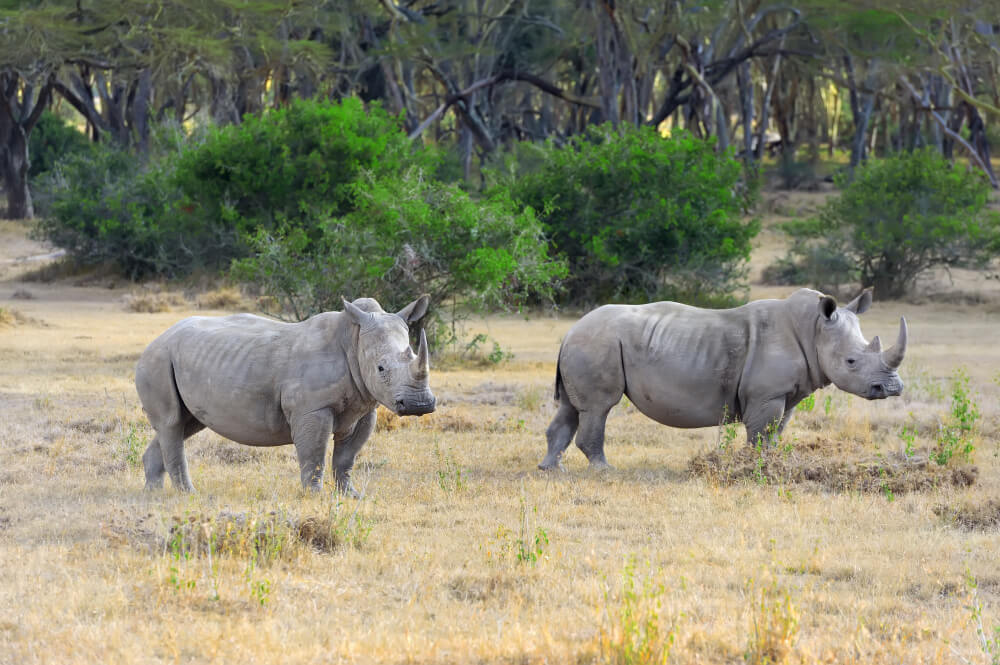
The crater hosts approximately 25,000 large animals, including lions, elephants, zebras, wildebeests, and buffaloes. It’s one of the few places where visitors can spot the critically endangered black rhinoceros.
Lerai Forest and Lake Magadi
The lush Lerai Forest provides shade and grazing for elephants and other herbivores, while Lake Magadi attracts flocks of flamingos and other waterbirds, adding vibrant colors to the landscape.
Wildlife Encounters Beyond the Crater
While the crater is a highlight, the greater conservation area offers rich biodiversity.
Big Five
Visitors can spot all of the Big Five—lion, leopard, elephant, buffalo, and rhino—making the area a prime safari destination.
Seasonal Migrations
The plains within the area are part of the Great Migration route, hosting thousands of wildebeests and zebras during their annual journey.
Unique Species
Rare animals, such as servals and bat-eared foxes, thrive in this region, showcasing the area’s ecological diversity.
Cultural Heritage of Ngorongoro Conservation Area
The conservation area is not only a wildlife sanctuary but also a cultural stronghold.
Maasai Communities
The Maasai people have lived in harmony with the region’s wildlife for centuries. Visiting a Maasai village provides insight into their traditional lifestyles, including cattle herding, dance, and beadwork.
Olduvai Gorge
Known as the “Cradle of Mankind,” Olduvai Gorge is an archaeological site of global significance. Fossil discoveries here, including early human remains, provide a glimpse into humanity’s ancient past.
Safari Activities in Ngorongoro Conservation Area
The area offers a variety of activities that cater to every traveler’s interests.
Game Drives
Game drives in the crater are a must for wildlife enthusiasts. Early morning drives offer the best opportunities to see predators in action.
Walking Safaris
Guided walks outside the crater allow visitors to explore the area’s diverse landscapes and learn about its flora and fauna.
Cultural Tours
Interacting with Maasai communities and visiting Olduvai Gorge are enriching experiences that highlight the region’s cultural importance.
Bird Watching
Bird watchers can spot over 500 bird species, including raptors like the augur buzzard and scavengers like the Rüppell’s vulture.
Best Time to Visit Ngorongoro Conservation Area
The conservation area is a year-round destination, but the dry season from June to October is ideal for game viewing as animals gather near water sources. The wet season from November to May transforms the landscape into a lush paradise, making it perfect for bird watching and photography.
Accommodation Options
Ngorongoro Conservation Area offers a wide range of accommodations to suit all budgets and preferences.
Luxury Lodges
Ngorongoro Crater Lodge and Entamanu Ngorongoro provide unparalleled luxury with stunning crater views.
Mid-Range Options
Rhino Lodge and Ngorongoro Serena Safari Lodge offer comfort and excellent locations for exploring the area.
Budget-Friendly Choices
Public campsites, such as Simba Campsite, provide an affordable and immersive experience close to nature.
Conservation and Sustainability
Efforts to preserve the area’s ecosystems and cultural heritage are ongoing. Collaborative initiatives involve local communities, the Tanzanian government, and international organizations to promote sustainable tourism and reduce human-wildlife conflict.
Cultural Experiences in Ngorongoro Conservation Area
Cultural tours in the conservation area provide a deeper understanding of the Maasai way of life and the region’s historical significance.
Visit to a Maasai Boma
A visit to a traditional Maasai homestead, or boma, offers a glimpse into their daily lives, including cattle herding and traditional ceremonies.
Exploring Olduvai Gorge
Guided tours of Olduvai Gorge include visits to the museum and archaeological sites where groundbreaking fossil discoveries have been made.
Travel Tips
- What to Pack: Lightweight clothing, a warm jacket for early mornings, sunscreen, and a good camera with a zoom lens.
- Health Precautions: Carry insect repellent, consult your doctor about malaria prophylaxis, and ensure vaccinations are up-to-date.
- Park Fees: Be prepared to pay entrance fees and additional charges for crater tours and cultural visits.
- Photography Tips: Sunrise and sunset offer the best lighting for capturing the area’s stunning landscapes and wildlife.
FAQs
Where is Ngorongoro Conservation Area located?
It is located in northern Tanzania, near Serengeti National Park, and about 180 kilometers west of Arusha.
What makes Ngorongoro Conservation Area unique?
The area combines diverse wildlife, stunning landscapes, and rich cultural heritage, including the iconic Ngorongoro Crater and Olduvai Gorge.
Can I see the Big Five in Ngorongoro Conservation Area?
Yes, the area is one of the best places to see all of the Big Five: lion, leopard, elephant, buffalo, and rhinoceros.
When is the best time to visit?
The dry season from June to October is ideal for wildlife viewing, while the wet season from November to May is perfect for bird watching and lush scenery.
Are there accommodations inside the conservation area?
Yes, the area offers luxury lodges, mid-range options, and budget campsites to suit all travelers.
What activities are available in Ngorongoro Conservation Area?
Visitors can enjoy game drives, walking safaris, cultural tours, and bird watching, among other activities.
Ngorongoro Conservation Area is a unique destination that blends extraordinary wildlife encounters with cultural heritage and stunning landscapes. From the awe-inspiring Ngorongoro Crater to the ancient history of Olduvai Gorge, the area offers an unforgettable experience for every traveler.
Whether you’re a wildlife enthusiast, a history buff, or simply seeking adventure, this Tanzanian treasure promises a journey of discovery that will stay with you forever.
