

East Africa is a globally renowned birding destination, home to over 1,500 bird species spread across diverse habitats such as savannahs, wetlands, forests, and lakes. This 8-day bird-watching safari is designed for both avid birders and nature enthusiasts, offering opportunities to explore the region’s rich avian biodiversity while immersing yourself in its breathtaking landscapes. From Uganda’s wetlands to Kenya’s savannahs, every stop on this itinerary promises unique birding experiences and unforgettable sightings.(8 Days Bird Watching Safaris)
Why Choose an 8-Day Bird-Watching Safari in East Africa?
An 8-day safari allows you to explore a variety of habitats across multiple iconic destinations. With carefully planned stops, you’ll have ample time to spot both endemic and migratory birds, learn about their behaviors, and enjoy scenic landscapes. This itinerary is perfect for anyone looking to combine bird-watching with a deeper appreciation of East Africa’s ecological diversity.
Day One: Arrival in Entebbe and Mabamba Swamp Excursion
Your adventure begins in Uganda, a birding hotspot and home to some of East Africa’s most iconic species.
Arrival and Briefing
Land in Entebbe International Airport, where your guide will welcome you and provide an overview of the safari.
Mabamba Swamp Excursion
Head straight to Mabamba Swamp, a Ramsar wetland site located near Lake Victoria. This wetland is one of the best places to spot the elusive shoebill stork, a bucket-list species for bird enthusiasts. During the boat ride, you’ll also encounter species such as African jacanas, papyrus gonoleks, and malachite kingfishers.
Return to Entebbe in the evening for dinner and overnight stay.
Day Two: Transfer to Lake Mburo National Park
On the second day, travel to Lake Mburo National Park, known for its savannah and wetland habitats.
Birding En Route
Enjoy bird-watching stops along the way, including sightings of species like the black-headed weaver and grey crowned crane, Uganda’s national bird.
Afternoon Birding Walk
Upon arrival, take a guided nature walk to explore the park’s birdlife. Key species include the African finfoot, white-winged warbler, and red-faced barbet.
Overnight at a lodge within the park, surrounded by bird songs.
Day Three: Lake Mburo to Bwindi Impenetrable National Park
The journey continues to Bwindi Impenetrable National Park, a UNESCO World Heritage Site renowned for its forest bird species.
Morning Birding Drive
Before departure, enjoy a birding drive in Lake Mburo, focusing on wetland species like the black-bellied bustard and African fish eagle.
Drive to Bwindi
The scenic drive to Bwindi offers more birding opportunities along the way, including sightings of the Rwenzori turaco.
Arrive at Bwindi in the evening and settle into your forest lodge.
Day Four: Bird Watching in Bwindi’s Forests
Bwindi is a birder’s paradise, with over 350 bird species, including 23 Albertine Rift endemics.
Morning Birding Trek
Explore the forest trails with a specialized birding guide. Keep an eye out for rare species such as the African green broadbill, Shelley’s crimsonwing, and the handsome francolin.
Cultural Experience (Optional)
In the afternoon, visit a Batwa community to learn about their traditional relationship with the forest. This cultural interaction complements the natural wonders of Bwindi.
Day Five: Transfer to Queen Elizabeth National Park
Day five takes you to Queen Elizabeth National Park, a prime bird-watching destination with over 600 recorded species.
Drive to Queen Elizabeth National Park
Enjoy birding along the way, including stops at the Ishasha sector, known for its tree-climbing lions and unique birdlife.
Kazinga Channel Boat Safari
In the afternoon, take a boat cruise on the Kazinga Channel, a hotspot for aquatic bird species such as African skimmers, yellow-billed storks, and pink-backed pelicans.
Day Six: Queen Elizabeth to Kenya’s Lake Naivasha
Cross the border into Kenya to explore the freshwater haven of Lake Naivasha, a paradise for waterbirds.
Morning Birding Drive in Queen Elizabeth
Before departing, enjoy a morning game drive in the park’s Kasenyi Plains, spotting species like the black-lored babbler and the collared pratincole.
Scenic Flight and Transfer to Lake Naivasha
Board a short flight to Kenya, followed by a drive to Lake Naivasha. Upon arrival, take a relaxing boat safari to observe species like the African fish eagle and pied kingfisher.
Day Seven: Bird Watching at Lake Naivasha and Lake Nakuru
Explore two iconic Rift Valley lakes, each offering unique birding opportunities.
Morning at Lake Naivasha
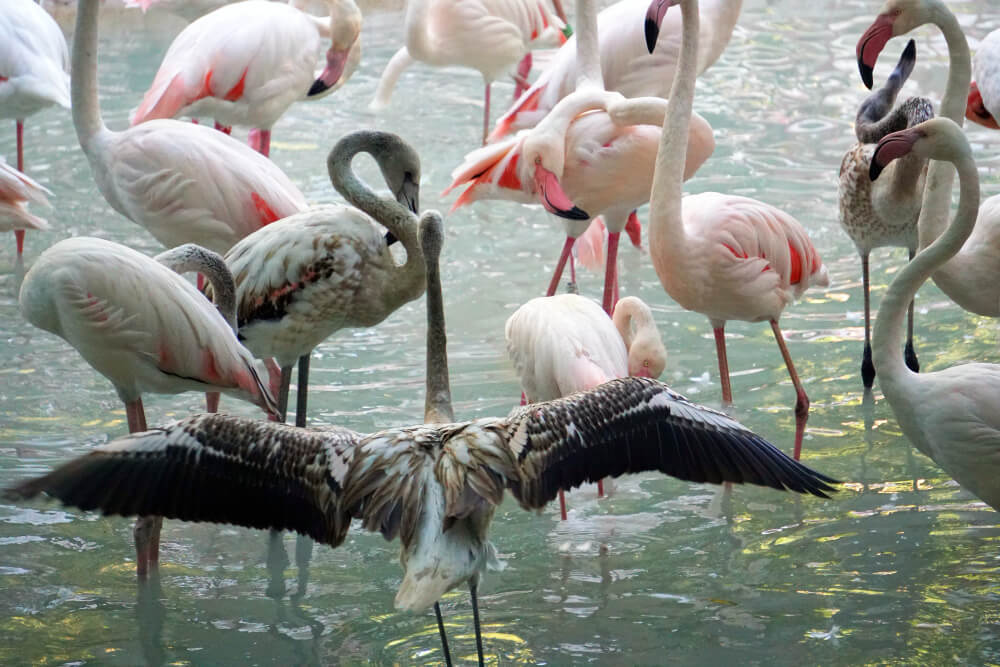
Start the day with a guided birding walk along the shores of Lake Naivasha, where you may spot species such as the grey-headed gull, African jacana, and flamingos.
Transfer to Lake Nakuru National Park
In the afternoon, head to Lake Nakuru, known for its alkaline waters and massive flamingo populations. A game drive around the lake also offers sightings of pelicans, cormorants, and the rare African spoonbill.
Day Eight: Departure from Nairobi
Conclude your birding safari with a drive to Nairobi, reflecting on the incredible species you’ve encountered.
Morning Birding Drive at Lake Nakuru
Before leaving, enjoy a final birding drive in Lake Nakuru, focusing on forest birds like the Narina trogon and white-browed robin-chat.
Transfer to Nairobi
Arrive in Nairobi in time for your departure flight or extend your stay to explore the city’s attractions, such as the Nairobi National Museum or Karura Forest.(8 Days Bird Watching Safaris)
Birding Highlights of the Safari
This 8-day itinerary offers opportunities to see a variety of bird species across diverse ecosystems:
- Iconic Species: Shoebill stork, African green broadbill, and flamingos.
- Wetland Birds: African jacana, papyrus gonolek, and malachite kingfisher.
- Savannah Birds: Grey crowned crane, black-bellied bustard, and secretary bird.
- Rift Valley Endemics: Shelley’s crimsonwing, Albertine owlet, and Rwenzori turaco.
What to Pack for Your Bird-Watching Safari
Packing appropriately ensures a comfortable birding experience:
Clothing
- Lightweight, breathable clothing in neutral tones.
- Long-sleeved shirts and trousers to protect against insects.
- Comfortable walking shoes or boots.
Gear
- Binoculars for bird spotting.
- A high-quality camera with a zoom lens for photography.
- A bird field guide for East Africa.
Other Essentials
- Sunscreen, sunglasses, and a hat for sun protection.
- Insect repellent and a reusable water bottle.
- Notebook and pen to record sightings.
Best Time for Bird Watching in East Africa
East Africa offers year-round birding, but the best time is during the wet seasons when migratory birds arrive, and breeding occurs:
- November to April: Peak time for migratory species and vibrant breeding plumage.
- June to October: Great for resident species and dry-season accessibility.(8 Days Bird Watching Safaris)
Accommodation Options
This safari includes stays in bird-friendly lodges and camps across East Africa:
Entebbe and Lake Mburo
- Luxury: Lake Victoria Serena Resort.
- Mid-Range: Rwakobo Rock.
Bwindi and Queen Elizabeth
- Luxury: Buhoma Lodge, Mweya Safari Lodge.
- Mid-Range: Marafiki Safari Lodge.
Lake Naivasha and Nakuru
- Luxury: Lake Naivasha Sopa Resort.
- Mid-Range: Flamingo Hill Tented Camp.
Tips for a Memorable Bird-Watching Safari
- Start Early: Birds are most active during early morning hours.
- Hire Expert Guides: Their knowledge ensures you spot rare species.
- Be Patient: Birding often requires stillness and observation.
- Keep a Checklist: Record your sightings for a rewarding experience.
An 8-day East Africa bird-watching safari is an unparalleled adventure for avian enthusiasts. From Uganda’s lush wetlands and forests to Kenya’s iconic Rift Valley lakes, every destination offers unique species and unforgettable moments. Whether you’re seeking the elusive shoebill or marveling at the vibrant flamingos, this safari combines the best of birding with East Africa’s natural beauty.(8 Days Bird Watching Safaris)
