

Ruaha National Park is a jewel in Tanzania’s safari crown, celebrated for its remote wilderness, vast savannahs, and abundant wildlife. As the largest national park in the country, it offers a unique and uncrowded safari experience that showcases Africa at its wildest.
Introduction to Ruaha National Park
Covering over 20,226 square kilometers, Ruaha National Park is located in central Tanzania, forming part of the greater Ruaha-Rungwa ecosystem. Established in 1964, the park is named after the Great Ruaha River, which winds through its landscapes, sustaining diverse wildlife.
The park is renowned for its rugged beauty, ranging from sprawling plains and rocky escarpments to ancient baobab trees and dense woodlands.
Unique Features of Ruaha National Park
Ruaha is distinguished by its sense of isolation and unspoiled nature. Unlike more popular parks, it offers an off-the-beaten-path experience, perfect for those seeking tranquility and adventure.
The park is also home to one of the highest concentrations of elephants in East Africa and a rare blend of East and Southern African wildlife species, making it a unique destination for nature enthusiasts.
Wildlife Encounters in Ruaha National Park
Ruaha National Park boasts an impressive diversity of wildlife, supported by its varied ecosystems.
Predators
Ruaha is a predator hotspot, home to large prides of lions, elusive leopards, and speedy cheetahs. It also hosts a significant population of African wild dogs, one of the continent’s most endangered carnivores.
Elephants and Herbivores
With over 10,000 elephants, the park is a haven for these gentle giants. Other herbivores include giraffes, zebras, and antelope species such as kudu, sable, and roan.
Rare Species
Ruaha’s location at the intersection of East and Southern African ecosystems means it supports unique species like the greater kudu, with its iconic spiral horns, and the southern ground hornbill.
Bird Watching Haven
Bird lovers will find paradise in Ruaha National Park, which boasts over 570 bird species. Highlights include the Ruaha red-billed hornbill, African fish eagle, and various migratory species that arrive during the wet season.
The Great Ruaha River: Lifeblood of the Park
The Great Ruaha River is a vital feature of the park, providing water for its diverse flora and fauna. During the dry season, the river’s shrinking pools become gathering spots for animals, creating dramatic scenes of survival as predators and prey converge.
Safari Activities in Ruaha National Park
Ruaha National Park offers a variety of activities that cater to adventurers and nature lovers alike.
Game Drives
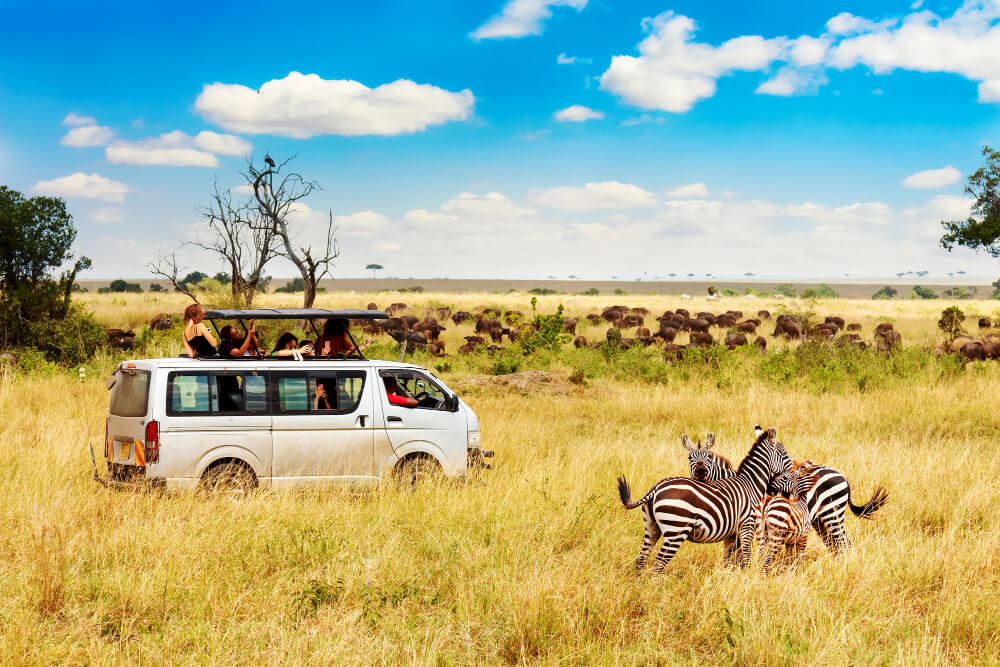
Game drives are the best way to explore the park’s vast landscapes and observe its wildlife. Early morning and late afternoon drives provide excellent opportunities to see predators in action and catch stunning sunrise or sunset views.
Walking Safaris
Guided walking safaris offer a more intimate connection with the park’s ecosystem. Accompanied by an armed ranger, visitors can explore the flora, smaller fauna, and animal tracks that are often missed during game drives.
Bird Watching
Ruaha’s wetlands, woodlands, and open plains make it a birding hotspot. Dedicated bird-watching tours can be arranged to explore the park’s avian diversity.
Best Time to Visit Ruaha National Park
Ruaha is a year-round destination, but the dry season from June to October is ideal for wildlife viewing. During this time, animals congregate near water sources, and the vegetation is sparse, making it easier to spot wildlife.
The wet season from November to April transforms the park into a lush, green paradise, perfect for bird watching and enjoying fewer crowds.
Accommodation Options
Ruaha National Park offers a range of accommodations that blend luxury with wilderness.
Luxury Lodges
Jabali Ridge and Ikuka Safari Camp provide exclusive safari experiences with panoramic views and top-tier amenities.
Mid-Range Options
Ruaha River Lodge and Mdonya Old River Camp offer comfortable accommodations and excellent access to wildlife.
Budget Choices
For travelers on a budget, public campsites and affordable safari camps provide an authentic and immersive experience.
Conservation Efforts in Ruaha National Park
Ruaha faces challenges such as habitat loss and human-wildlife conflict, but significant conservation efforts are underway. Initiatives include anti-poaching patrols, community-based conservation programs, and partnerships with organizations like the Wildlife Conservation Society (WCS).
Cultural Experiences Near Ruaha National Park
The communities surrounding Ruaha offer enriching cultural interactions that add depth to the safari experience.
Barabaig and Maasai Tribes
Visitors can engage with local tribes like the Barabaig and Maasai, learning about their traditions, dances, and ways of life.
Village Tours
Guided tours of nearby villages provide insight into the daily lives of local communities and their harmonious coexistence with nature.
Travel Tips for Ruaha National Park
- What to Pack: Lightweight clothing, comfortable hiking shoes, sunscreen, and a good camera with a zoom lens.
- Health Precautions: Consult your doctor about malaria prophylaxis and ensure vaccinations are up-to-date.
- Park Fees: Familiarize yourself with entrance fees and additional costs for guided activities like walking safaris.
- Photography Tips: Early morning and late afternoon light offer the best conditions for capturing Ruaha’s stunning landscapes and wildlife.
FAQs
Where is Ruaha National Park located?
It is situated in central Tanzania, about 625 kilometers southwest of Dar es Salaam.
What makes the Park unique?
Its vast, untouched landscapes and a rare mix of East and Southern African wildlife species make it one of Tanzania’s most distinctive parks.
When is the best time to visit Ruaha National Park?
The dry season from June to October is ideal for game viewing, while the wet season from November to April is perfect for bird watching.
Can I see the Big Five in Ruaha National Park?
While lions, elephants, leopards, and buffaloes are common, rhinos are not present in Ruaha.
Are there accommodations inside the Park?
Yes, the park offers a variety of accommodations, from luxury lodges to budget-friendly campsites.
What activities can I do in Ruaha National Park?
Visitors can enjoy game drives, walking safaris, bird watching, and cultural tours in the surrounding communities.
Conclusion
The Park is a hidden gem that offers a unique safari experience away from the crowds. With its vast landscapes, abundant wildlife, and rich cultural heritage, the park invites visitors to immerse themselves in the untamed beauty of Tanzania.
Whether you’re a seasoned traveler or a first-time adventurer, Ruaha promises an unforgettable journey into one of Africa’s most pristine wilderness areas.
