

Nestled in northern Tanzania, Tarangire National Park is a captivating destination renowned for its vast landscapes, ancient baobab trees, and incredible wildlife. Often overshadowed by nearby parks like Serengeti and Ngorongoro, Tarangire offers a unique and quieter safari experience that draws nature enthusiasts and photographers alike.
Introduction to Tarangire National Park
Covering approximately 2,850 square kilometers, Tarangire National Park is the sixth-largest park in Tanzania. Its name derives from the Tarangire River, which winds through the park and serves as a lifeline for its wildlife, particularly during the dry season.
Unique Features of Tarangire National Park
Tarangire is characterized by its dramatic landscapes, dotted with iconic baobab trees and acacia woodlands. The park is also home to one of the highest densities of elephants in Africa, as well as seasonal migrations of zebras and wildebeests.
The diverse habitats include grasslands, swamps, and riverine areas, making it a haven for wildlife and birds.
Wildlife Encounters
Tarangire National Park boasts a rich array of wildlife, making it a must-visit for safari enthusiasts.
Elephant Herds
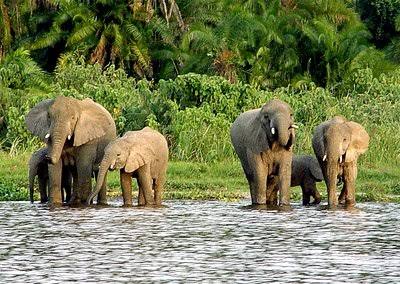
The park is famous for its massive elephant herds, which can number in the hundreds. Watching these gentle giants interact is a highlight of any visit.
Big Cats
Lions and leopards are common in the park, often seen lounging on kopjes or stalking prey.
Other Mammals
The park is home to giraffes, buffaloes, warthogs, and smaller species like dik-diks and mongoose. Rare antelope species, such as gerenuk and fringe-eared oryx, can also be spotted.
Aquatic Life
During the dry season, the Tarangire River attracts animals from miles around, creating excellent opportunities to observe predators and prey in action.
Bird Watching Paradise
With over 550 recorded bird species, Tarangire is a bird-watcher’s dream. Highlights include the Kori bustard, lovebirds, and the striking hornbills. The wetlands provide habitats for waders like herons and storks.
The Tarangire River: Lifeblood of the Park
The river is the heart of the park, sustaining both resident and migratory wildlife. In the dry season, animals converge along its banks, offering unparalleled opportunities for wildlife viewing.
Baobab Trees: Ancient Guardians of Tarangire
Tarangire is often called the “Land of the Giants” due to its towering baobab trees. These ancient trees, some over a thousand years old, provide shade, shelter, and food for many animals and are a striking feature of the landscape.
Safari Activities
Visitors to Tarangire can engage in a variety of activities that showcase its unique environment.
Game Drives
Game drives are the primary way to explore Tarangire. Early morning and late afternoon drives offer the best chances to see wildlife at its most active.
Walking Safaris
Guided walking safaris allow visitors to explore the park on foot, providing an intimate experience with nature. These safaris often focus on the smaller details of the ecosystem, such as plants, insects, and animal tracks.
Night Safaris
Night safaris, available in certain areas, offer the chance to spot nocturnal animals like bush babies, hyenas, and leopards.
Cultural Visits
Many tours include visits to nearby Maasai villages, offering insights into the traditions and lifestyles of one of Tanzania’s most famous indigenous groups.
Best Time to Visit Tarangire National Park
The park is a year-round destination, but the dry season from June to October is the best time for wildlife viewing. During this period, the river becomes a magnet for animals, creating dramatic scenes of survival.
The wet season from November to May transforms the park into a lush landscape, perfect for bird watching and enjoying fewer crowds.
Accommodation Options
Tarangire National Park offers a range of accommodations to suit different preferences and budgets.
Luxury Lodges
Sanctuary Swala Camp and Tarangire Treetops Lodge provide exclusive experiences with top-tier amenities.
Mid-Range Options
Tarangire Safari Lodge and Baobab Tented Camp offer comfort and excellent locations for wildlife viewing.
Budget Choices
Campsites and budget-friendly lodges around the park provide affordable options for travelers seeking adventure without breaking the bank.
Conservation Efforts in Tarangire National Park
Efforts to protect Tarangire’s unique ecosystem are spearheaded by the Tanzania National Parks Authority (TANAPA). Conservation programs focus on mitigating human-wildlife conflicts, anti-poaching patrols, and community engagement to promote sustainable tourism.
Cultural Experiences
Cultural tours to Maasai villages around Tarangire provide a rich cultural dimension to the safari experience. Visitors can learn about traditional practices, including cattle herding and beadwork, and enjoy Maasai dance performances.
Travel Tips
- What to Pack: Lightweight clothing, sturdy shoes, sunscreen, insect repellent, and a quality camera with a zoom lens.
- Health Precautions: Consult a healthcare provider about malaria prophylaxis and carry essential medications.
- Park Fees: Familiarize yourself with entrance fees and other charges for activities like walking safaris.
- Photography Tips: Early morning and late afternoon provide the best lighting for capturing the park’s stunning wildlife and landscapes.
FAQs
Where is Tarangire National Park located?
The park is located in northern Tanzania, approximately 118 kilometers from Arusha.
What makes Tarangire National Park unique?
It is renowned for its massive elephant herds, iconic baobab trees, and the Tarangire River, which sustains a diverse array of wildlife.
When is the best time to visit Tarangire National Park?
The dry season from June to October is ideal for wildlife viewing, while the wet season from November to May is great for bird watching.
What wildlife can I see in Tarangire National Park?
You can see elephants, lions, leopards, giraffes, buffaloes, zebras, and a variety of antelope species, as well as over 550 bird species.
Are there accommodations inside Tarangire National Park?
Yes, the park offers luxury lodges, mid-range tented camps, and budget-friendly campsites.
What activities are available in Tarangire National Park?
Activities include game drives, walking safaris, night safaris, and cultural visits to nearby Maasai villages.
Tarangire National Park is a captivating destination that combines breathtaking landscapes with unforgettable wildlife experiences. Its towering baobab trees, vast elephant herds, and serene river scenes create a safari adventure like no other.
Whether you’re seeking a quiet escape or an immersive journey into Tanzania’s wilderness, Tarangire delivers an experience that will leave you inspired and longing for more.
